
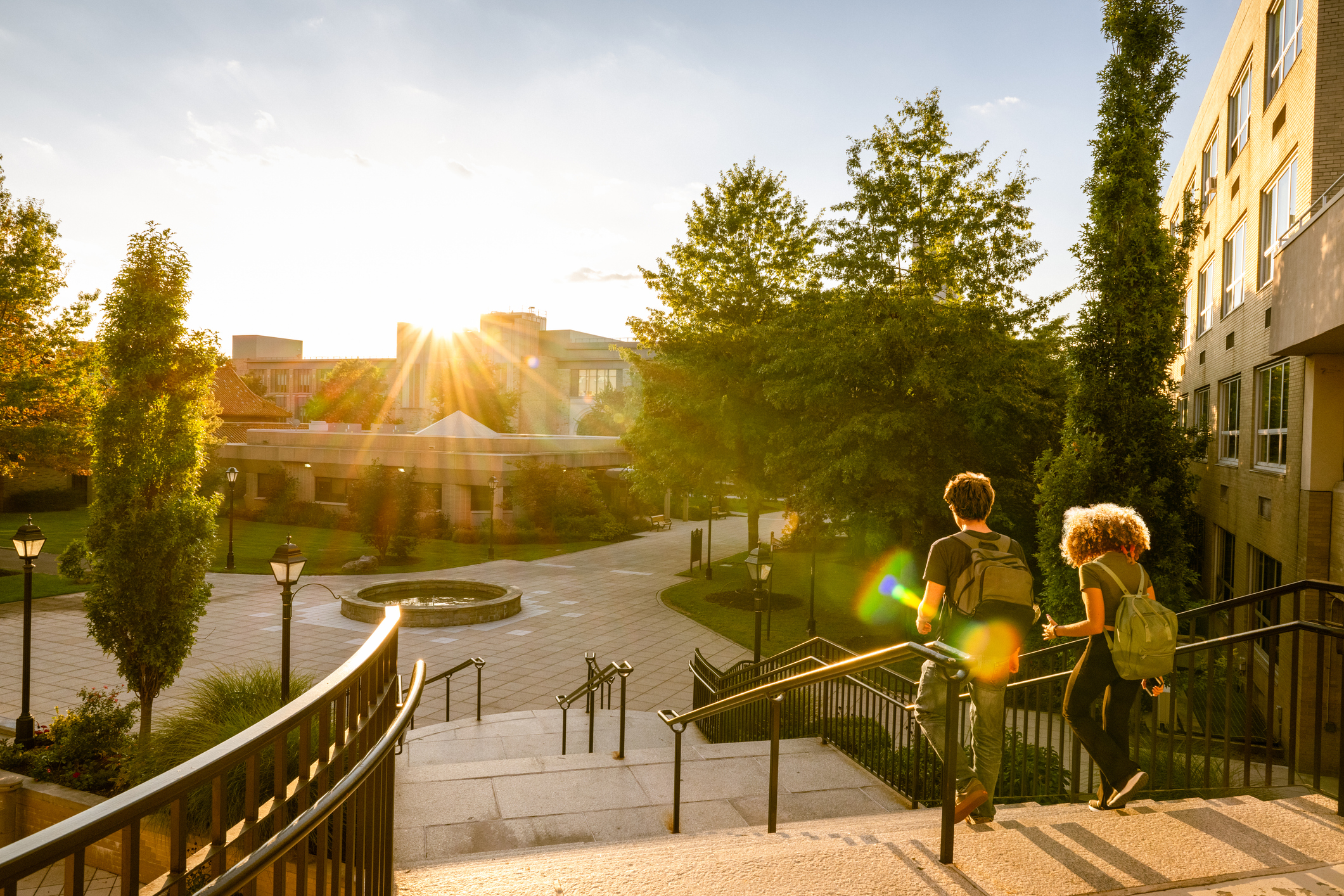
Summer is often the easiest time for busy families to visit colleges. Families finally have more flexibility in their schedules, students are beginning to think seriously about college research, and campuses are welcoming visitors from all over the country.
But there is one important reality families should understand before they hit the road: summer campuses are often very different from what students experience during the academic year.
Residence halls may be partially empty. Fewer students are walking around campus. Classes may not be in session. Some clubs and activities are paused. In many cases, families are seeing a quieter and less representative version of campus life.
This often leaves students wondering:
“How can I tell if this school is the right fit if there aren’t many students here?”
The answer is that summer visits require a slightly different approach. Instead of trying to “feel” the entire social energy of campus, students should focus on gathering clues about the environment, priorities, and student experience.
Shift the Goal of the Visit
A successful college visit is not about falling in love with a campus in two hours. It is about collecting information and reflecting on what matters most to the student.
Students should pay attention to questions like:
- Can I imagine myself living here?
- Does this environment energize or drain me?
- What opportunities seem accessible to undergraduates?
- What does the school appear to value?
- Does the surrounding community feel comfortable and engaging?
Sometimes students gain clarity not because they love a campus, but because they realize what they do not want. That is valuable too.
Go Beyond the Official Tour
Summer visitors often rely too heavily on the admissions presentation and tour guide. While those are helpful, they should only be the starting point.
Encourage students to:
- Walk through campus independently
- Explore academic departments connected to their interests
- Spend time in the surrounding town or city
- Sit in student gathering spaces
- Visit the library or the student center
- Talk to as many students as possible (ask to make sure they are current students)
Even if there are fewer students around, the campus culture still leaves clues.
Use Other Resources to Fill in the Gaps
One of the best ways to understand a college during the summer is to combine the visit with online research.
Students can:
- Read the student newspaper
- Explore clubs and student organizations
- Watch student-created content online
- Review the course catalog
- Look at internship and research opportunities
- Search recent campus events and guest speakers
This often provides a much more authentic picture of campus life than the official marketing materials alone.
Ask Better Questions
Summer visits are also an opportunity to ask thoughtful questions.
Instead of:
“What is your favorite thing about the school?”
Try:
- What kinds of students tend to thrive here?
- What surprised you most after enrolling?
- How easy is it to get involved as a first-year student?
- What do students typically do on weekends?
- How collaborative or competitive are classes?
- What support systems do students use most often?
The quality of the questions often determines the quality of the visit. We have a list of 50+ Possible Questions to Ask on College Visits.
Reflect Afterward
One of the most overlooked parts of the college visit process is reflection.
After each visit, students should spend a few minutes writing down:
- What stood out
- What excited them
- What concerns they have
- What they want to learn more about
- Whether they could picture themselves there
Without reflection, many campuses begin to blur together.
Summer visits may not show students a fully active campus, but they can still be incredibly valuable. When students approach visits intentionally and thoughtfully, they gain much more than information about colleges — they gain insight into what environments help them learn, grow, and thrive.